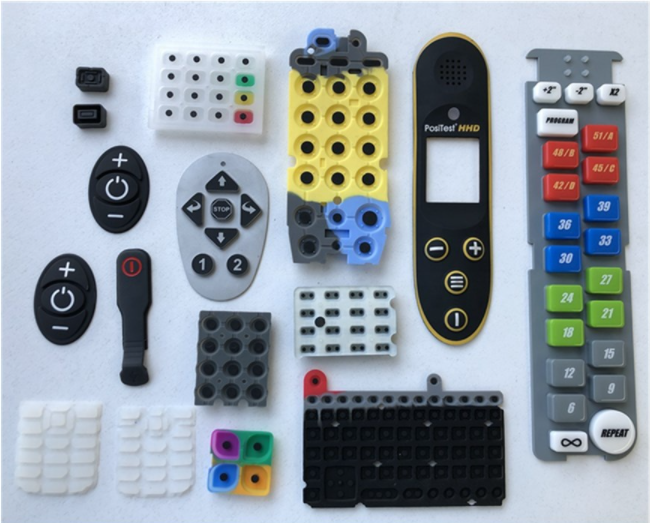
High-End Silicone Consumer Products
Inventors and engineers rely on Rilong Molding for silicone injection molding applications that require innovation and attention to detail.


For overseas product teams, the right supplier is more than a factory—it’s your extended engineering arm and quality gatekeeper.
Choosing a silicone parts supplier from across the globe is a pivotal decision. It’s not just a procurement step; it’s forming a strategic partnership that will impact your product’s quality, compliance, and market success for years. In a world of countless options, the most critical factors extend far beyond unit price.
Based on three decades of serving international clients, we’ve identified what truly matters to teams in Europe, North America, and beyond. Here is your essential checklist.
Silicone and Liquid Silicone Rubber (LSR) molding is a science of its own. The right partner must master the entire chain:
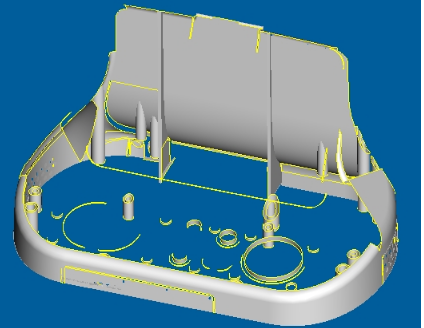
At Rilong, our dedicated silicone division, established in 2006, is built on this principle. We function as your engineering partner from the first sketch, ensuring the design is optimized for manufacturability, performance, and cost.
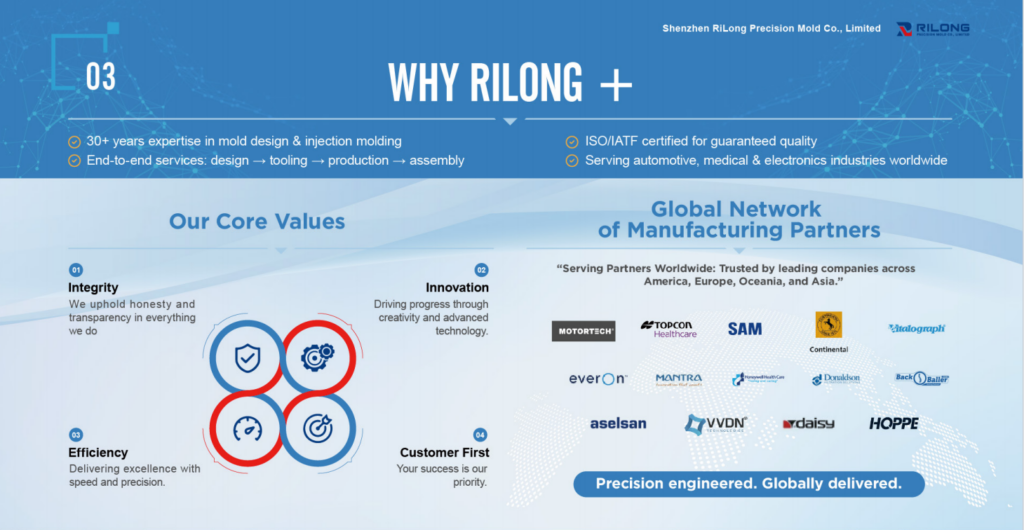
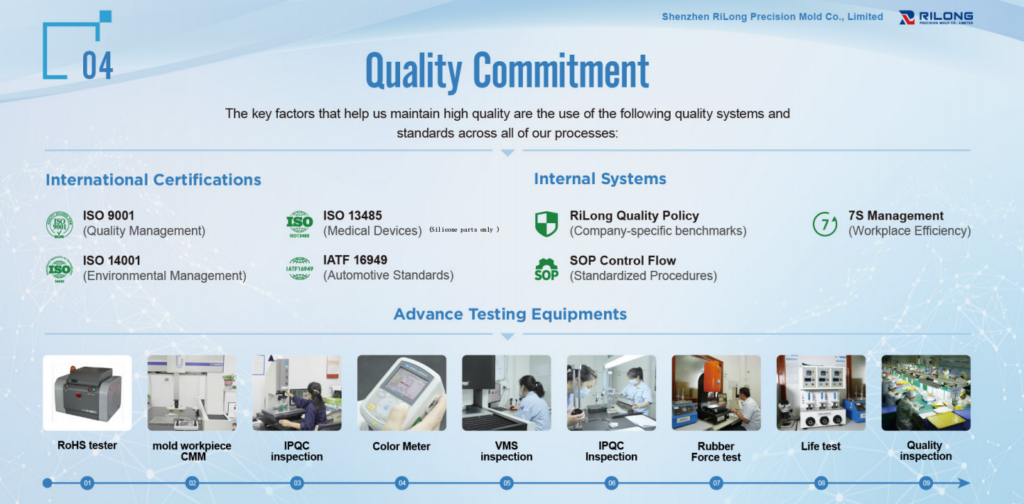
For regulated industries, certification is the starting line, not the finish.
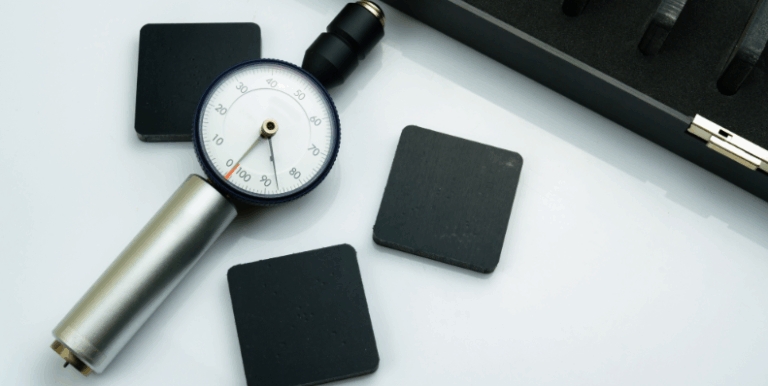
Our quality mantra is “No Surprises.” We maintain a comprehensive in-house lab for key tests and uphold full traceability from raw material to shipment, providing all necessary documentation (COC, DoC, Test Reports) in English as standard.
Geographical distance should not create information gaps.
*We believe partnership is built on clarity. Our clients receive weekly visual progress reports and have 24/7 access to a dedicated project portal, ensuring you are always in control, never in the dark.*
A partner who controls more of the process chain offers greater reliability and speed.
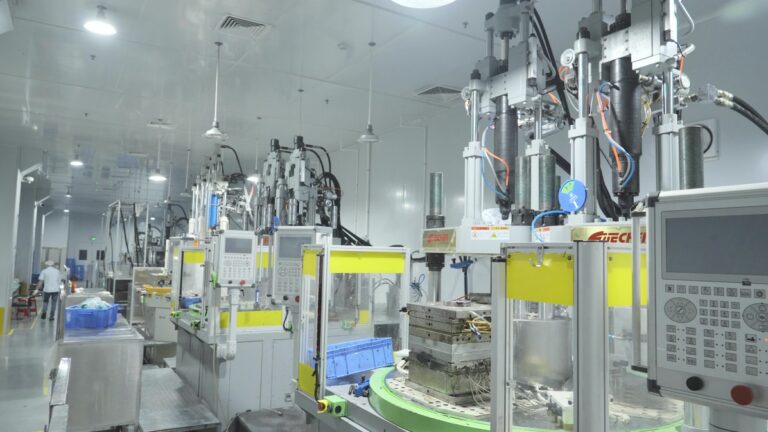
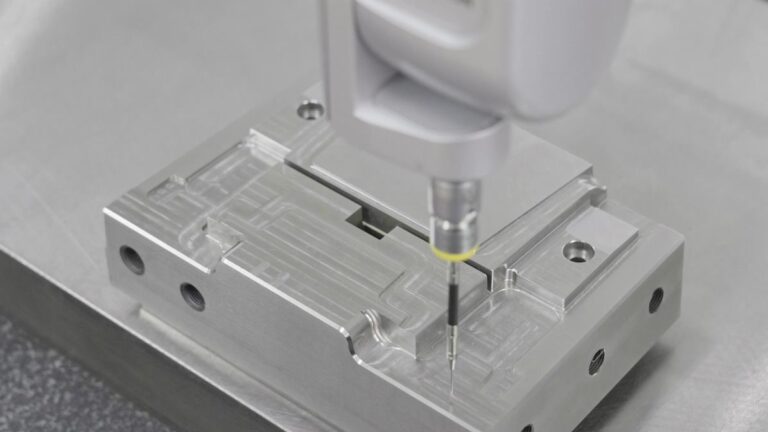
From our own CNC mold shops to dedicated cleanrooms for medical assembly, we provide a vertically integrated solution. This allows us to guarantee timelines, manage quality at every step, and respond with agility to engineering changes.
The ultimate question is not “Can you make this part?” but “Can you be the reliable, expert foundation upon which we build our product’s success?“
Look for a partner whose technical dialogue inspires confidence, whose systems ensure consistency, and whose communication style fosters a true collaboration. In the long run, this partnership will prove to be your most valuable cost-saving and risk-mitigation strategy.
Looking for a silicone partner that meets this standard?
Discover Rilong’s Silicone & LSR Solutions – See how our dedicated expertise, from material science to final assembly, brings certainty to complex projects.
Let’s discuss how to make your next silicone project a model of success.