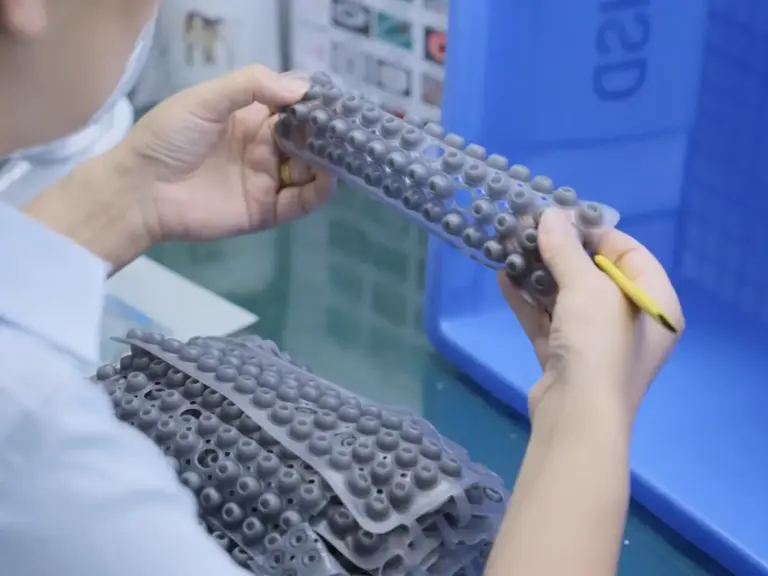
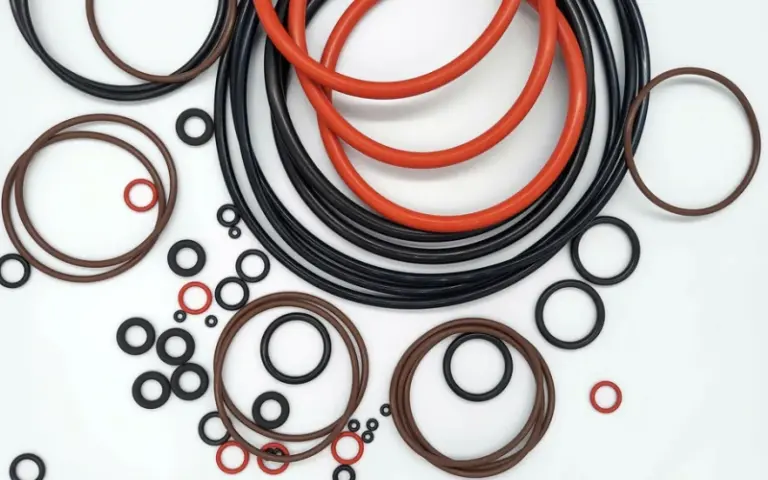
High-End Silicone Consumer Products
Inventors and engineers rely on Rilong Molding for silicone injection molding applications that require innovation and attention to detail.


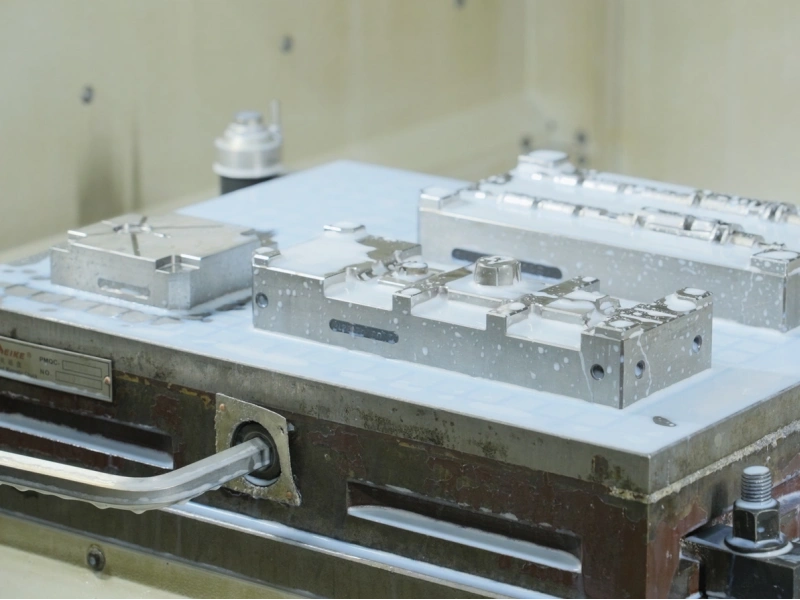
Learn how silicone mold design, material selection, molding process, and supplier experience affect custom silicone product quality, cost, and production stability.
For product teams developing custom silicone parts, the mold is not just a production tool. It determines how accurately the part forms, how consistently it performs, and how efficiently it can be manufactured at scale.
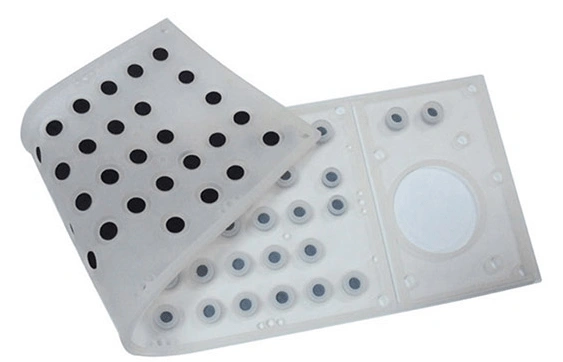
Silicone products are used across medical devices, consumer electronics, automotive systems, kitchenware, seals, keypads, wearable products, and industrial equipment. Each application may look simple from the outside, but the right silicone mold design must account for material behavior, part geometry, curing, flash control, demolding, and long-term production stability.
This guide explains the main decisions behind silicone mold customization and how to choose the right molding approach for your project.
A silicone mold is the tooling used to shape silicone rubber into a finished product. Depending on the material and production method, the mold may be designed for compression molding, transfer molding, liquid silicone rubber injection molding, or overmolding.
In a production environment, the mold controls more than the outer shape. It affects parting lines, venting, wall thickness, surface texture, shrinkage, dimensional tolerance, cycle time, and defect rate. A well-designed mold helps reduce common issues such as flash, trapped air, incomplete filling, tearing during demolding, and inconsistent curing.
Most custom silicone projects begin with material selection. Two common options are high-consistency rubber, often called solid silicone, and liquid silicone rubber, commonly known as LSR.
Solid silicone is widely used for silicone compression molding. It is suitable for gaskets, seals, keypads, pads, covers, kitchen products, and many industrial parts. This process is mature, flexible, and cost-effective for many medium-volume and structurally straightforward components.
Liquid silicone rubber is used in LSR injection molding. It is often preferred for high-precision parts, complex geometries, tight tolerances, soft-touch surfaces, medical components, baby care products, and parts requiring high repeatability. LSR tooling and equipment require more upfront planning, but the process can provide excellent consistency and automation potential.
For applications that touch food, skin, or medical environments, material compliance also matters. Food-grade silicone, medical-grade silicone, platinum-cured silicone, FDA, LFGB, RoHS, REACH, ISO 10993, or other requirements should be discussed before mold development begins.
A reliable silicone product development process usually follows these steps:
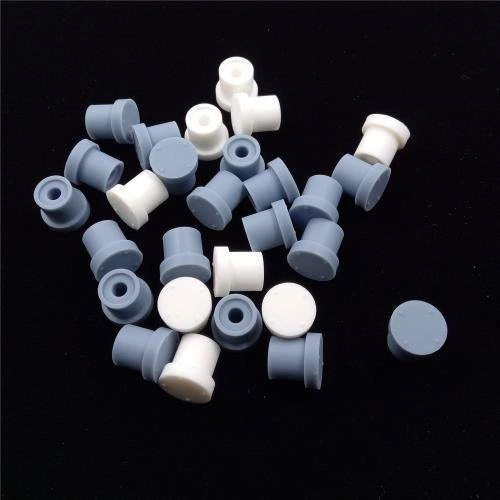
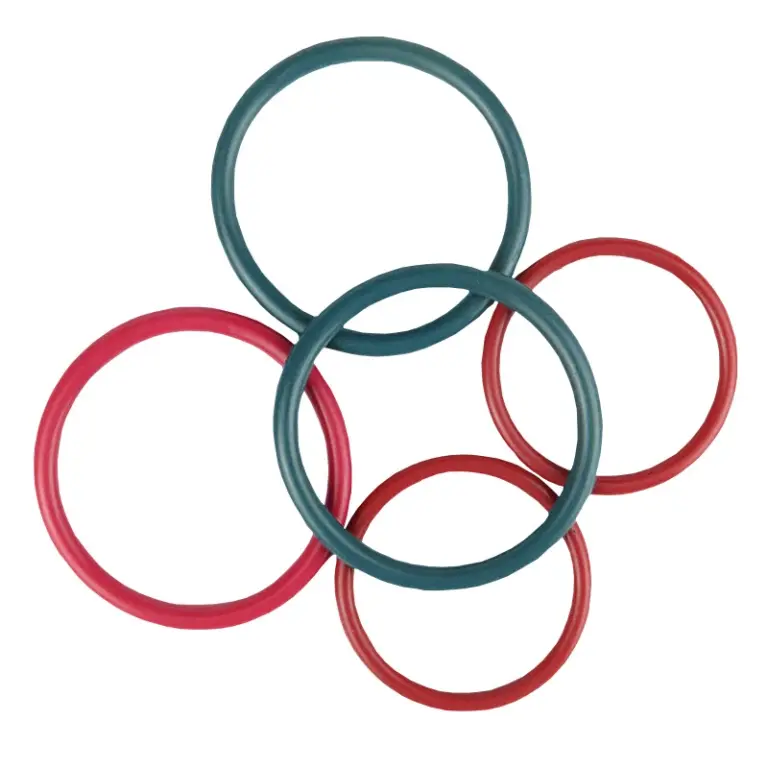
Custom molds are commonly used for products such as silicone seals, gaskets, protective covers, plugs, lids, keypads, wearable parts, medical silicone components, kitchenware, baby care products, automotive parts, industrial shock-absorbing pads, and custom silicone solutions for special applications.
Different industries prioritize different performance factors. Medical components may require biocompatibility and clean-room production. Automotive parts often focus on temperature resistance, sealing, aging performance, and long-term reliability. Consumer electronics components may require precise assembly, smooth appearance, waterproofing, and soft-touch performance.
When selecting a supplier, price should not be the only factor. A strong silicone manufacturing partner should be able to support engineering review, material selection, mold design, sampling, process optimization, testing, and quality control.
Before committing to tooling, ask whether the manufacturer can identify risks in the design, recommend suitable materials, explain mold structure, provide samples, and support documentation for export or regulated markets. For many projects, the most valuable supplier is not the one that simply accepts a drawing, but the one that helps improve it before production.
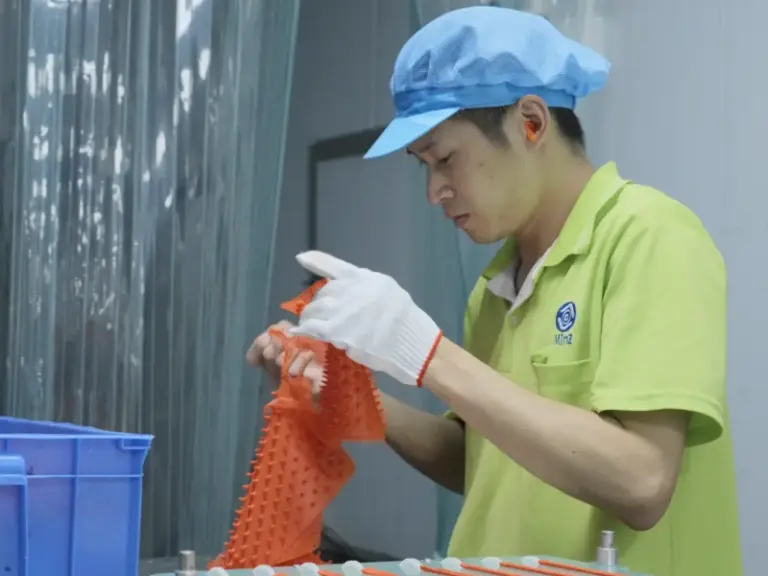
At Rilong Silicone, we support overseas product teams with custom silicone manufacturing services, including compression molding, LSR molding, silicone overmolding, mold design support, prototyping, post-processing, and production quality control.
Successful silicone products depend on more than material choice. Mold design, process selection, tolerance planning, sampling, and quality control all shape the final result. By confirming product requirements early and working with an experienced silicone mold manufacturer, you can reduce development risk, improve product performance, and move from concept to production with greater confidence.
If you are developing a new silicone product or need to optimize an existing part, Rilong Silicone can review your drawings, recommend a suitable molding process, and help build a manufacturing plan for stable production.